Providing live-in caregivers in Pennsylvania, New Jersey, Delaware, and Maryland


Professional health challenges care at home gives seniors a safe way to manage long-term illness in their own space. This service matches your family with adedicated caregiver who stays in the house around the clock. The worker manages daily needs like cooking, bathing, and tracking daily pills.
Staying home lets seniors keep their freedom and routines. Steady care from our friendly caregivers covers daily tasks like cooking, cleaning, and tracking pills. This round-the-clock support stops bad falls, lowers family stress, and ensures total safety during late-night emergencies.
Staying social keeps the brain sharp and lowers sadness in older adults. Setting up Alzheimer's care at home brings a friend into the house. Our caregivers play games,read books, or look at photos with your loved ones. These happy moments build trust and make the day move faster.
FAQ: How does having a live-in friend help with the senior's mood and mental health?
A caregiver talks with the senior and keeps them busy with fun hobbies. This stops the senior from feeling lonely or sad. Having a friend around builds trust and makes the senior feel happy and safe in their own home.
Small rugs, loose wires, or dim lights cause bad trips and broken bones. Utilizing specialized elderly care services for dementia patients fixes these risks completely. Caregivers check every room daily to keep paths clear.They stay by the senior's side when they move to the bathroom.
FAQ: What steps does the caregiver take to make surethe house is safe for seniors?
The worker checks every room for trips and slips, like loose rugs. They make surepaths stay clear of mess and wires. Good lighting and clean floors stop falls before they happen. This keeps the senior safe while they move.

5) Kind Assistance with Washing and Grooming
Older adults fear taking showers because they worry about slipping on wet tiles. Choosing elderly care services for dementia patients means youget a patient caregiver who handles baths gently. They use warm towels and move slowly. This keeps the senior clean and protects their personal pride.
FAQ: How does the caregiver handle hygiene tasks for seniors who might be scared of water?
Our caregiver uses a calm voice and takes things very slowly. They make sure the water is warm and use soft towels. Being patient and kind stops the senior from getting upset during their daily bath or hair wash routine.
● Steady memory help stops seniors from wandering out of the house.
● Clear pill logs eliminate dangerous mistakes with daily doses.
● Custom cooking manages chronic issues like diabetes and heart pain.
● Daily walking practice keeps muscles strong and improves balance.
● Going along on errands keeps seniors active in their neighborhood.
● Private van networks ensurethat care staff always arrive right on time.

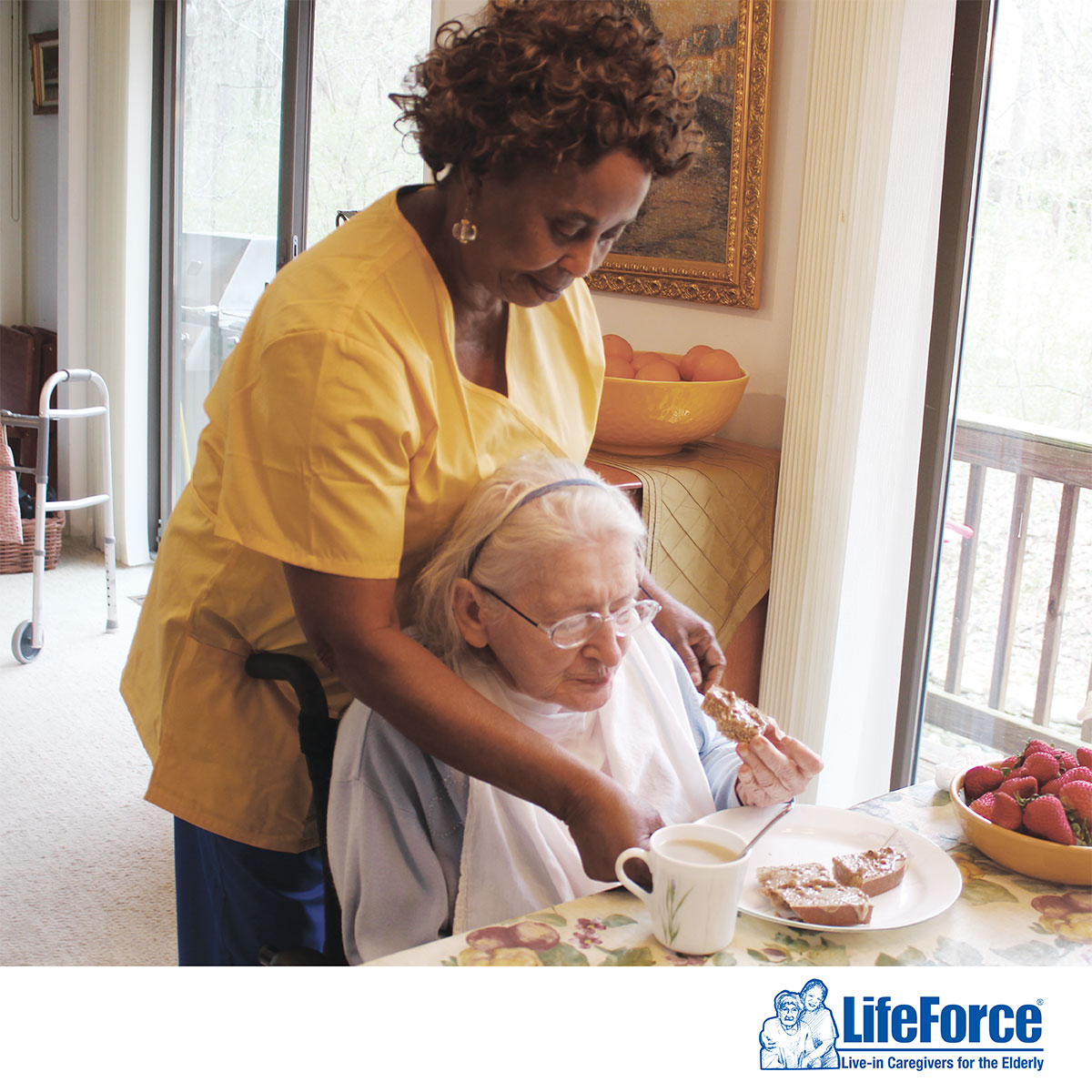




Always Nearby, Always Readyto Help
Managing complex health needs is much easier with an expert by your side. Life Force Eldercare provides trusted professionals who assist with daily life while respecting seniors' freedom. We proudly serve families throughout Pennsylvania,New Jersey, Delaware, and Maryland.
When you choose our elderly care services for dementia patients, youget safety, pride, and real peace of mind. We handle all the travel logistics so you can focus entirely on enjoying your time together. Our team is always ready to step in and help.